
The market changes before the weather does. One Saturday in late September the tables are still crowded with tomatoes and basil, and the next the crates have shifted: squash in every awkward shape, apples stacked in dusty pyramids, bundles of chard with their stems glowing like traffic lights. If you shop by habit, you can miss the best weeks of the year. Autumn produce is generous, but it asks for slightly different judgement than summer fruit. A peach announces itself with perfume; a squash keeps its secrets until you cut it open.
Here is what to buy now, how to tell whether it is worth your money, and what to do with it on a Tuesday night when you get home late and the oven is the only thing you can be bothered to switch on.
What Actually Changes at the Market in Autumn
Summer shopping is about urgency. You buy peaches and eat them over the sink because they will not wait. Autumn shopping is about keeping. Roots, squash, apples and hardy greens are built to sit in a cool corner for a week or two, which means you can buy more than you can cook tonight and still come out ahead.
That changes how you should judge quality. With summer fruit, softness is often a signal of ripeness. With autumn produce, softness usually means damage or age. Look instead for weight, firmness, dry skins and clean stems. A heavy butternut squash with a corky stem is a better buy than a glossy, light one that has been sitting in a warm shop for ten days.
Squash: Choose One Worth Carrying Home
Squash is the first thing most people reach for in October, and the easiest to get wrong. The signs are quiet but reliable.
How to judge ripeness
- Feel the weight. Pick up two squash of similar size and compare. The heavier one has more moisture and denser flesh inside.
- Press the skin with a thumbnail. On a ripe squash, your nail should not sink in. If the skin gives, the flesh underneath is likely soft.
- Check the stem. It should be dry, corky and slightly sunken where it meets the fruit. A green, fresh-cut stem means it was picked early.
- Look for a dull, matte finish. Shiny skin on a squash often means it went to market too soon.
- Skip the cracks and soft spots, especially near the stem end, where rot starts.
These rules work for butternut, acorn, kabocha and the big grey Crown Prince types. Smaller squash tends to be sweeter and less watery; large ones are fine for soup but can be bland if they were grown fast.
Simple ways to use it
Cut a butternut in half, scoop the seeds, rub the cut side with oil and salt, and roast it cut-side down at 200°C until a knife slides in without resistance — usually forty to fifty minutes depending on size. Scoop the flesh into a pot with stock and a chopped onion, simmer for fifteen minutes, and blend. That is soup, and it freezes well.
For something less obvious, cube a small squash, toss it with olive oil, cumin and a pinch of chilli, and roast at 220°C for twenty-five minutes until the edges caramelise. Fold it warm through cooked lentils with plenty of parsley and lemon. The sweetness against the earthy lentils does the work that a long recipe would.
Roast the seeds too. Rinse them, dry them thoroughly, toss with salt and a little oil, and toast at 180°C for ten to twelve minutes, shaking the tray once. They go stale quickly, so keep them in a small jar and use them within a week.
Apples: Read the Fruit, Not the Label
Apple names tell you less than the apple itself does. A variety that is crisp in one orchard can be mealy from another, depending on when it was picked and how it was stored. Trust your hands and your nose.
What to look for
A good apple is firm all over, heavy for its size, and smells faintly of itself when you hold it near your face. The skin should be tight, without wrinkles around the stem. Small russet patches are fine — they are a feature of some of the best-tasting varieties — but soft brown bruises are not, and they spread faster than you expect.
Ask the grower which apples are for eating and which are for cooking. This is the single most useful question at an apple stall, and it usually gets you a straight answer. Eating apples are crisp and juicy; cooking apples break down into fluff and need sugar. Some, like many older varieties, do both.
Simple ways to use them
Eat the best ones raw and don't apologise for it. For the rest: slice them thickly, toss with a little butter, cinnamon and a squeeze of lemon in a hot pan until the edges soften but the slices still hold their shape. Serve with yoghurt for breakfast or beside roast pork.
If you have a bag of softening apples, peel and chop them, simmer with a splash of water and a pinch of salt until collapsed, then mash. That is applesauce, and it will keep a week in the fridge. Stir it into porridge, spoon it over pancakes, or eat it cold with a piece of sharp cheese.
Greens: The Quiet Backbone of the Season
Autumn greens are the part of the shop people walk past. Chard, cavolo nero, spinach, cabbage, spring greens — they look sturdy and unglamorous next to a display of squash. They also keep better than almost anything else on the table and take ten minutes to cook.
Judging freshness
Look at the cut ends first. They should be pale and moist, not brown and dried out. Leaves should be upright and crisp rather than limp, with no yellowing at the edges. On chard and cavolo nero, the stems should snap rather than bend. Avoid bunches with slimy patches or a sour smell at the base, which is where rot begins.
If the greens at the market look tired, they can often be revived: trim the ends, stand them in cold water for twenty minutes, then dry them well. This buys you a day or two, not a week.
Simple ways to use them
Strip the leaves from tough stems — chard and cavolo nero both need it — and wash them in a sink of cold water, lifting them out rather than pouring the water off, so the grit stays behind. Shake dry, roughly chop, and cook in a wide pan with olive oil, garlic and a pinch of salt until just wilted. Finish with lemon juice. That is the whole recipe, and it is better than most complicated ones.
For something more substantial, blanch the greens for two minutes, squeeze out the water, chop them, and fold them into a pan with fried onions, a little cream and plenty of black pepper. Spoon it over toast or stir it through pasta.
A Saturday List Worth Copying
- One squash, heavy and matte, with a dry stem.
- Two kilos of apples: one crisp variety for eating, one softer one for cooking.
- Two bunches of greens with sound stems — chard for the pan, cavolo nero for pasta.
- Onions, garlic and a lemon, because autumn cooking leans on them.
- Something new to you: a quince, a different cabbage, a variety of apple you cannot pronounce.
Getting It Home and Using It Up
Store squash in a cool, dry, dark place, not the fridge, and it will keep for weeks. Apples go in the fridge drawer, loosely, and — importantly — away from your greens, because apples give off a gas that speeds up the yellowing of leaves. Greens belong in a plastic bag or a damp cloth in the coldest part of the fridge, and they should be used first.
Cook in the order things will spoil. Greens on Monday, apples midweek, squash whenever you like. Roast a whole squash on Sunday and you have the base for three meals: soup, a lentil dish, and a plate of something warm with bread and cheese. Buy a little more than you think you need, learn the feel of a good squash in your hand, and ask the growers questions — most of them would rather talk about stems and soil than hand you a receipt in silence.
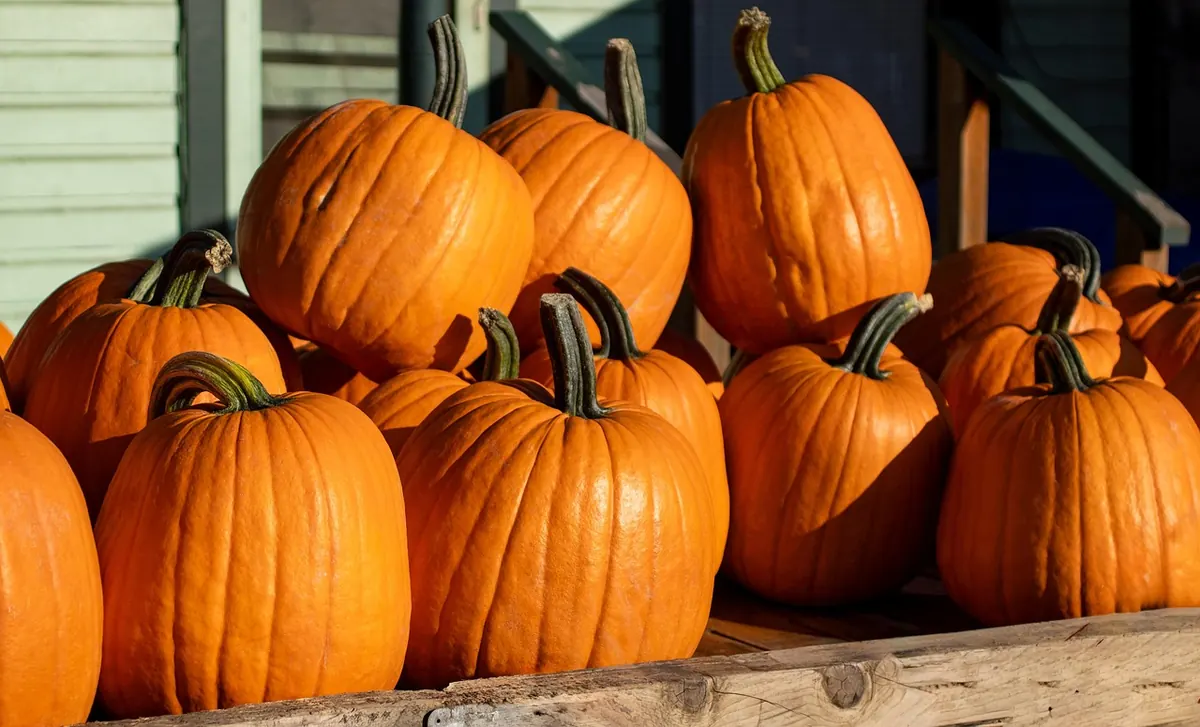
Photo: debannja / Pixabay